Auto insurance is a policy bought by car owners to alleviate costs connected with entering a vehicle mishap. Instead of paying out-of-pocket for auto accidents, people pay annual premiums to a car insurance business; the business then pays all or most of the costs related to an auto mishap or other lorry damage.
While not all states need vehicle insurance coverage, a lot of do mandate a minimum amount of auto insurance coverage. That minimum varies by state, but many individuals purchase extra insurance coverage to protect themselves further. Additionally, if you're funding a cars and truck, the lender may state that you carry certain kinds of vehicle insurance. A poor driving record or the desire for total protection will result in higher premiums.
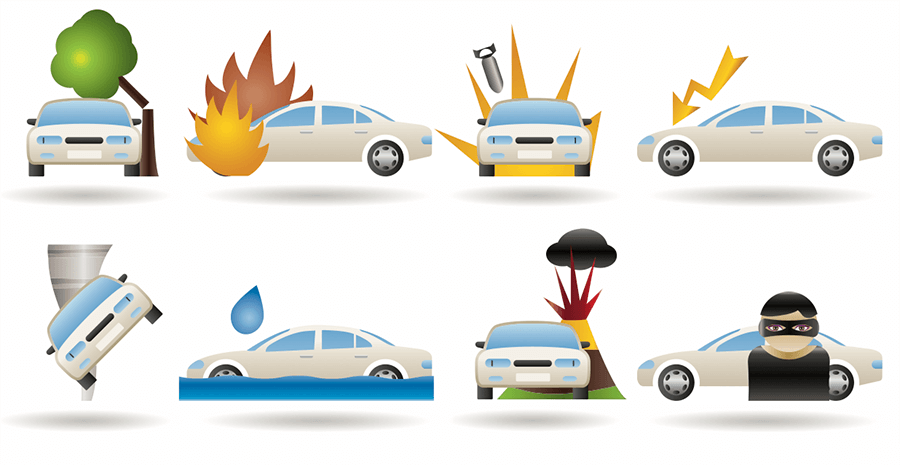
In exchange for paying a premium, the insurance provider accepts pay your losses as outlined in your policy. Coverages include: damage to or theft of your vehicle legal responsibility to others for physical injury or residential or commercial property damage expenses of dealing with injuries, rehab, and often, lost wages and funeral service expenses Policies are priced separately to let you customize protection quantities to suit your specific requirements and spending plan.
An insurer will inform a customer when it's time to renew the policy and pay another premium. Despite whether they mandate having a minimum amount of auto insurance coverage, nearly every state needs vehicle owners to bring bodily injury liability, which covers expenses connected with injuries or death that you or another driver triggers while driving your cars and truck.
A number of states go a step even more, mandating car owners carry medical payments or accident defense (PIP), which compensates medical expenses for injuries sustained by you or your passengers. It will also cover lost incomes and other related expenses. Uninsured driver protection reimburses you when an accident is brought on by a chauffeur who does not have car insurance coverage.
Your policy likewise provides protection to someone who is not on your policy and is driving your vehicle with your permission. Individual automobile insurance coverage only covers individual driving. It will not supply coverage if you utilize your car for commercial purposessuch as making deliveries. Neither will it supply coverage if you utilize your cars and truck to work for ride-sharing services such as Uber or Lyft.
While other kinds of insurance such as health and homeowner's might appear more crucial, if you own an automobile, regardless of whether your state requires automobile insurance coverage, having an insurance coverage policy can conserve you a lot of cash and aggravation in the long run.
Car insurance is a contract between you and the insurance provider that protects you against monetary loss in case of an accident or theft. In exchange for your paying a premium, the insurance coverage business agrees to pay your losses as described in your policy. Car insurance coverage offers coverage for: such as damage to or theft of your automobile your legal obligation to others for bodily injury or home damage the expense of dealing with injuries, rehab and in some cases lost earnings and funeral service costs Basic personal car insurance coverage is mandated by many U.S.
Automobile insurance protections are priced separately (a la carte) to let you personalize coverage amounts to match your exact needs and budget. Policies are normally issued for six-month or one-year timeframes and are sustainable. The insurer sends out a notification when it's time to restore the policy and pay your premium.